Jan 2026
Niobank Smart Finance and Green Future
AI-powered digital banking experience that improves financial literacy while encouraging sustainable behavior
FigmaFigjamMaze
Overview
Overview
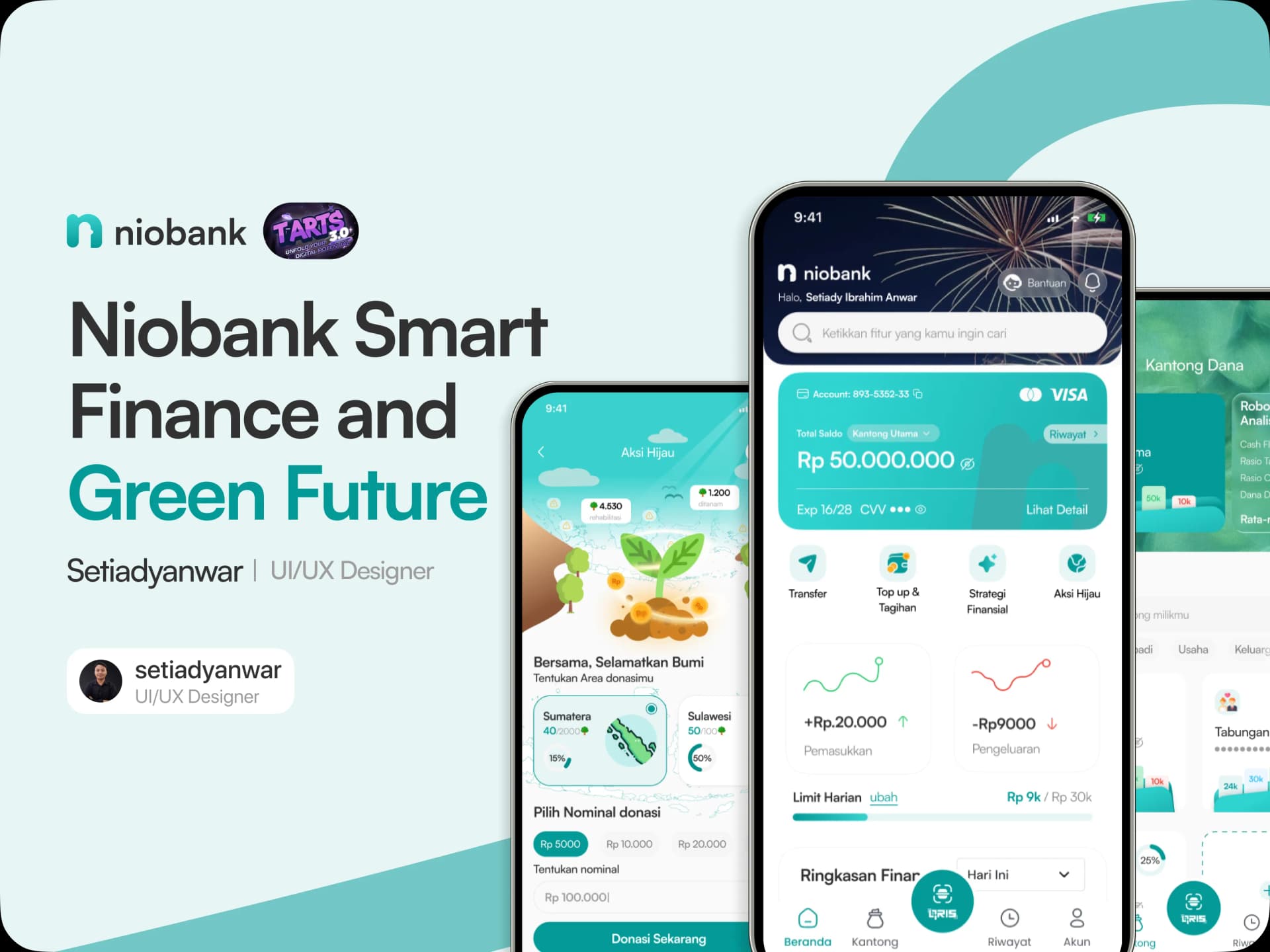
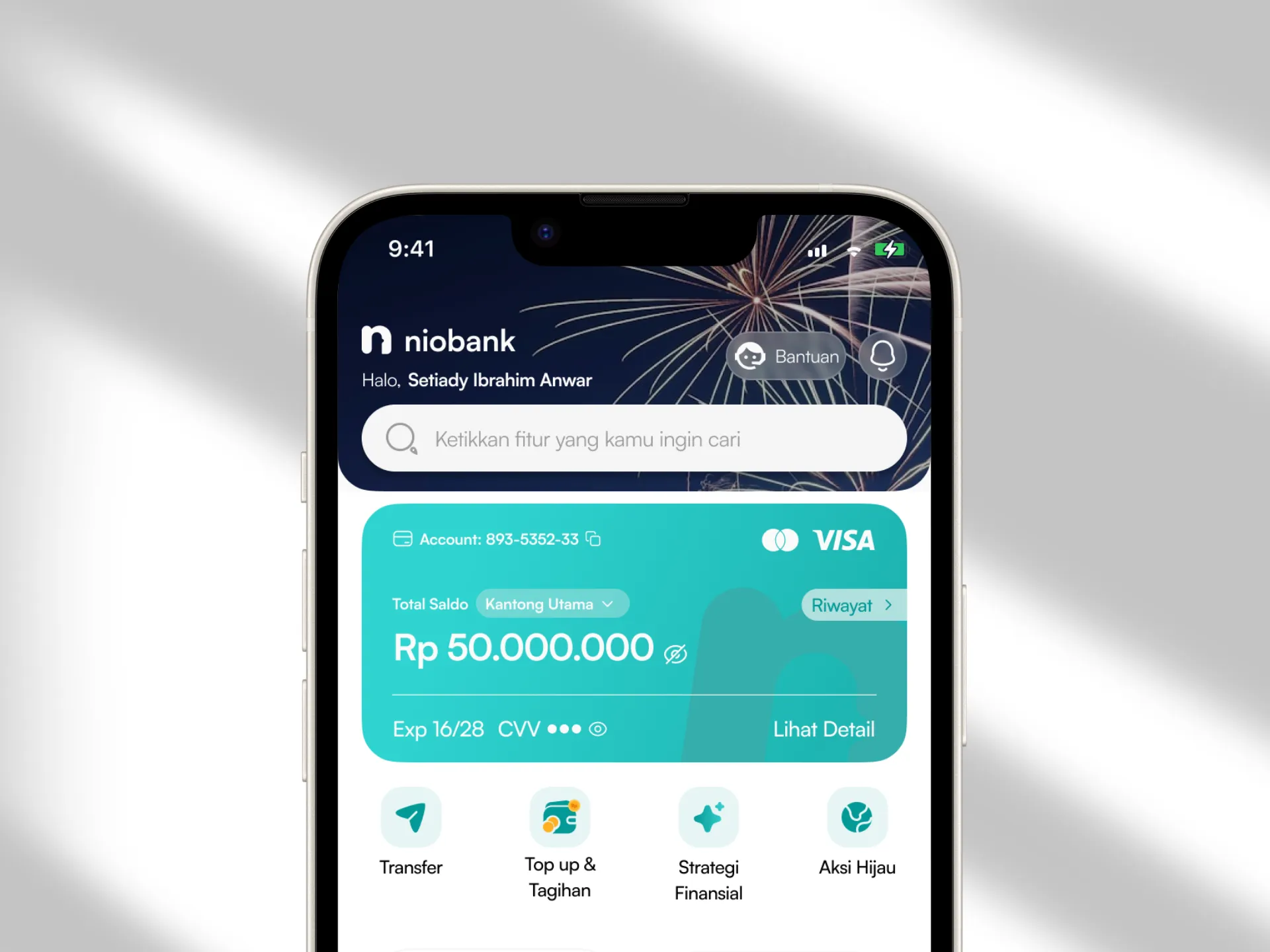
Niobank is a conceptual mobile banking application designed to help users manage personal finances through AI-driven insights while encouraging sustainable behavior. The project was developed for the T-ArtS 3.0 UI/UX Design Competition (UAJAY, 2026) and aligns with multiple UN Sustainable Development Goals (SDGs) by integrating financial inclusion, economic growth, and environmental responsibility into everyday banking activities.
Rather than positioning sustainability as a separate feature, Niobank embeds SDG principles directly into core financial flows transforming routine transactions into opportunities for long-term financial health and positive environmental impact.
Key Responsibilities
- Defined problem statements and product goals based on competition brief and fintech user behavior
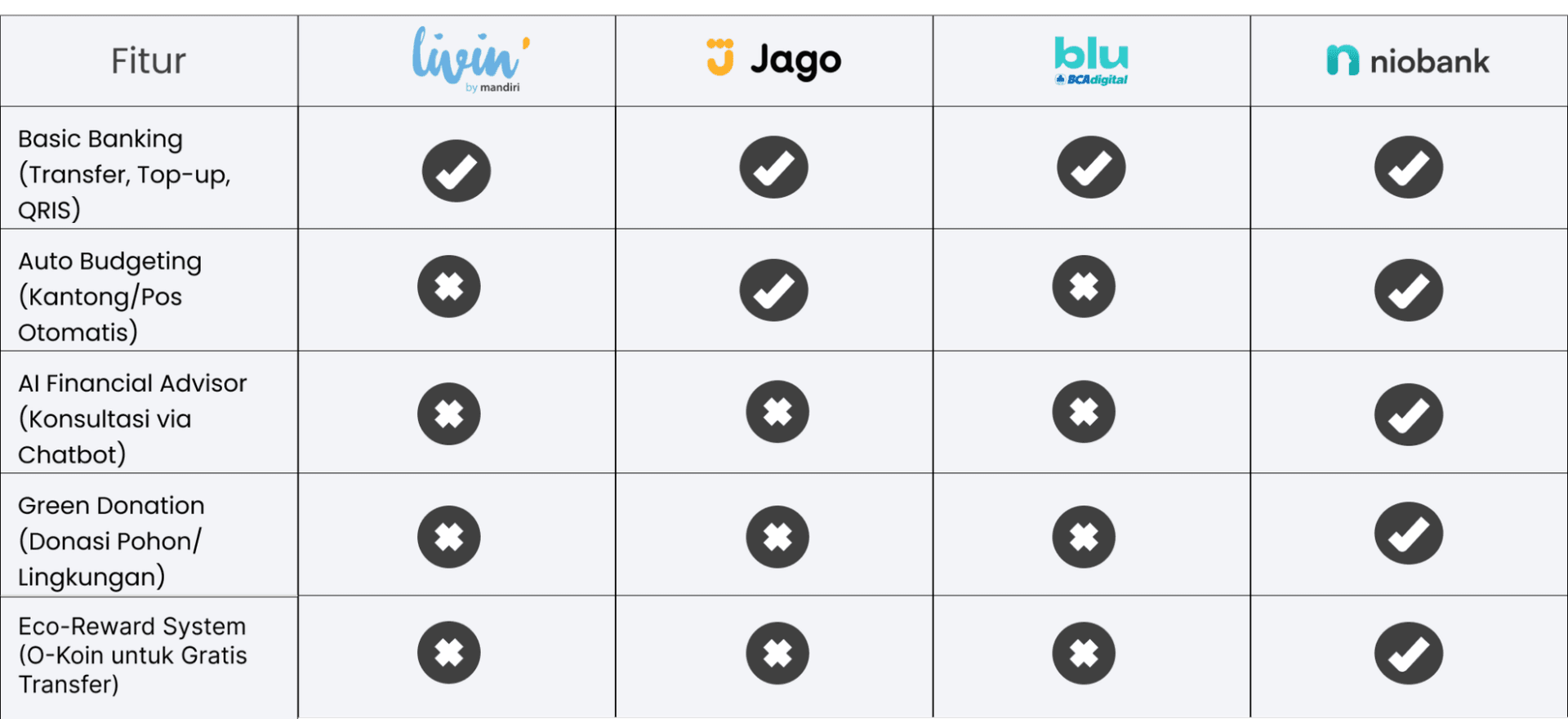
- Conducted competitor analysis of existing digital banking platforms to identify feature gaps and UX opportunities
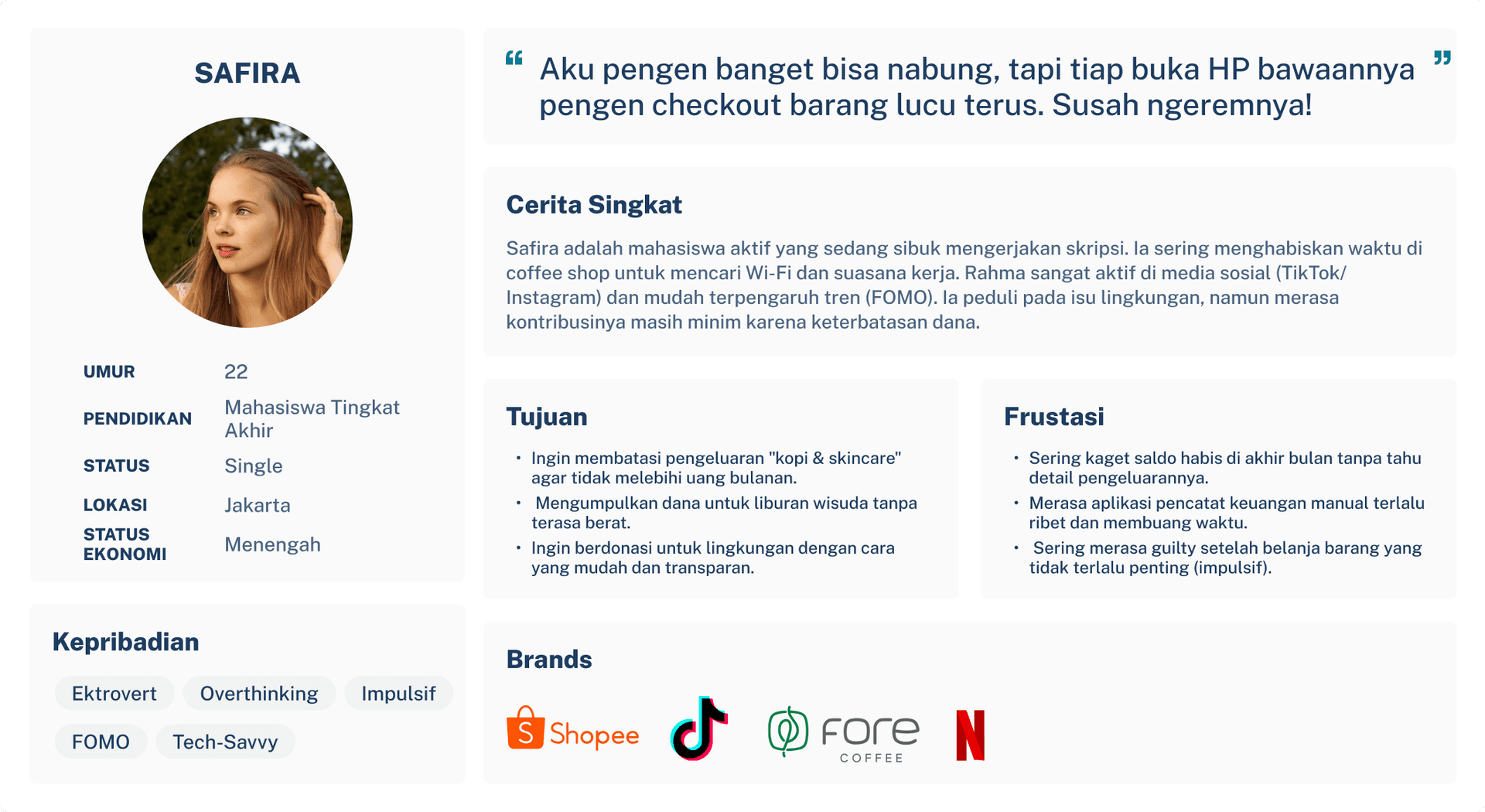
- Designed user personas and user journey maps to model financial behavior and decision-making patterns
- Structured information architecture to reduce cognitive load in financial tasks
Impact & Results
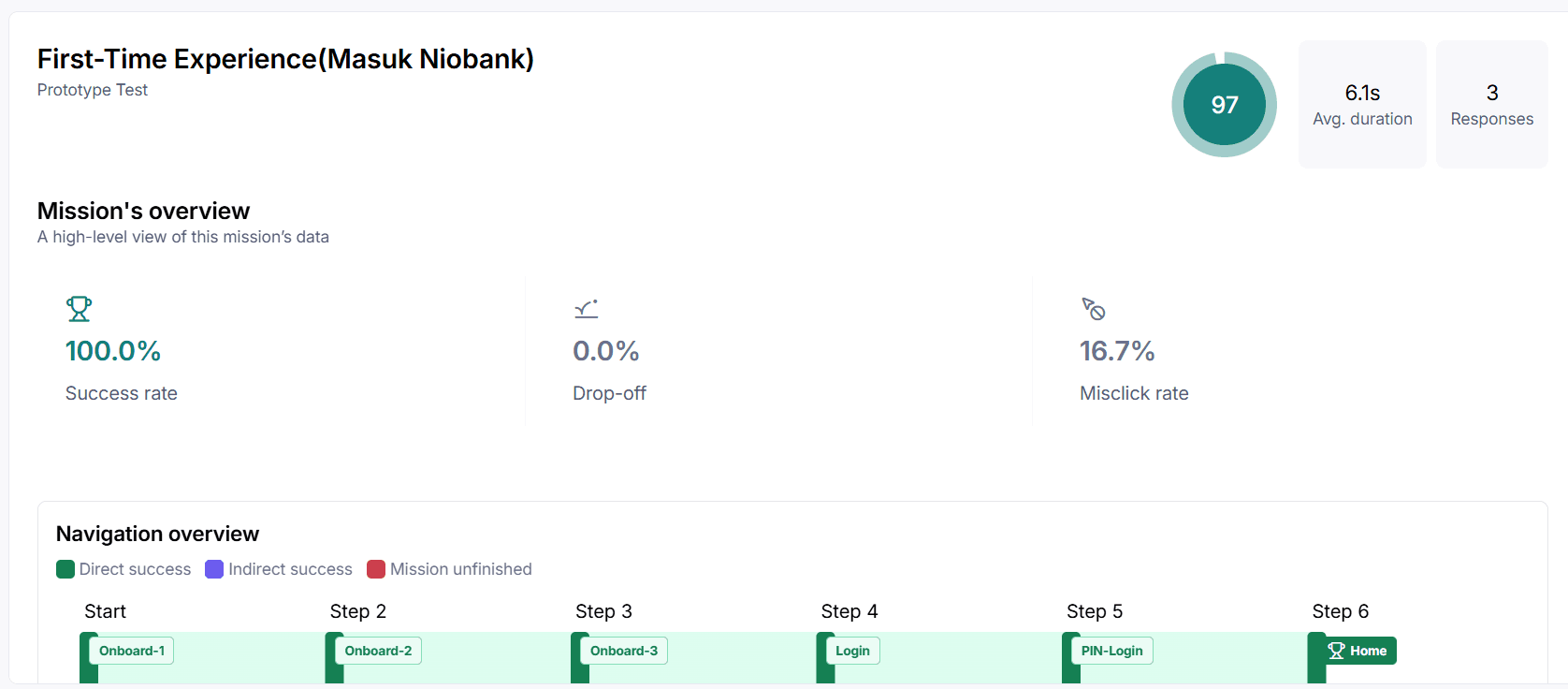
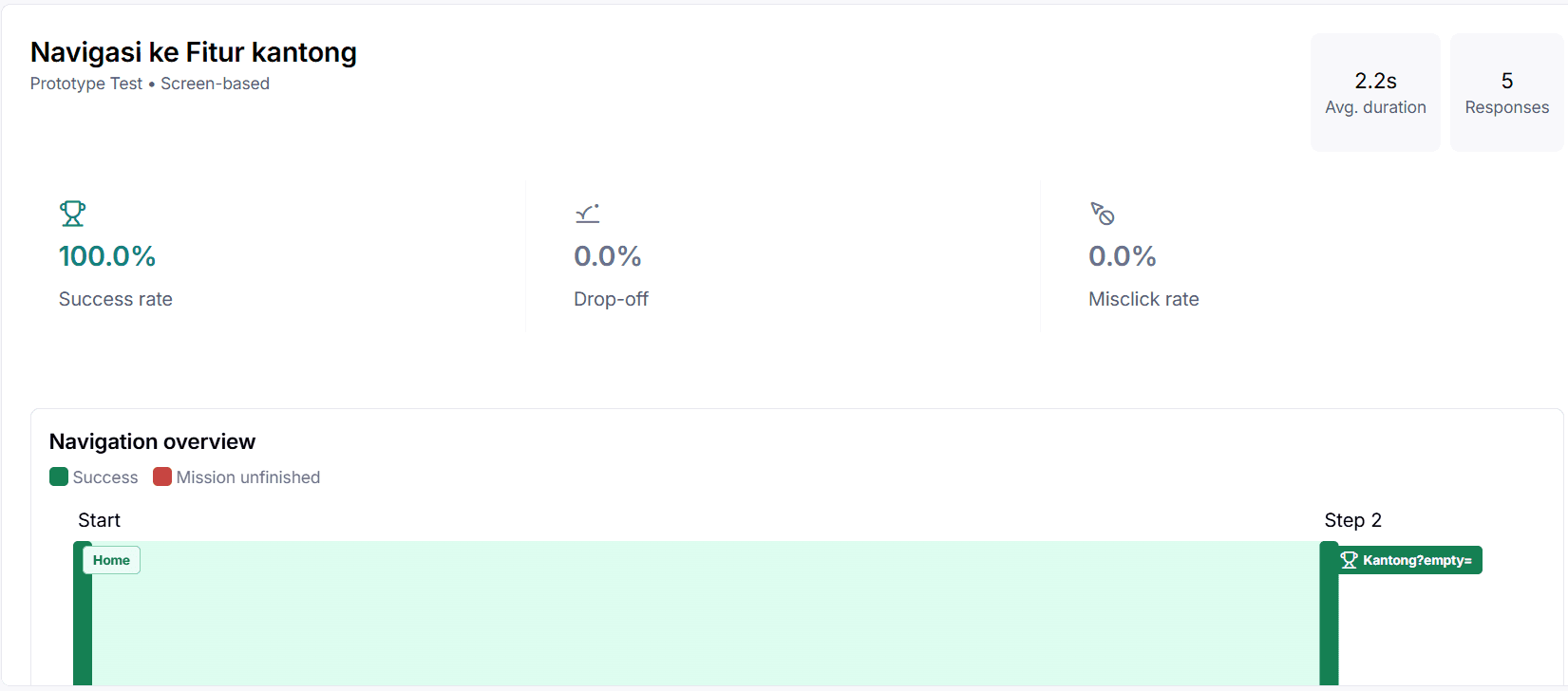
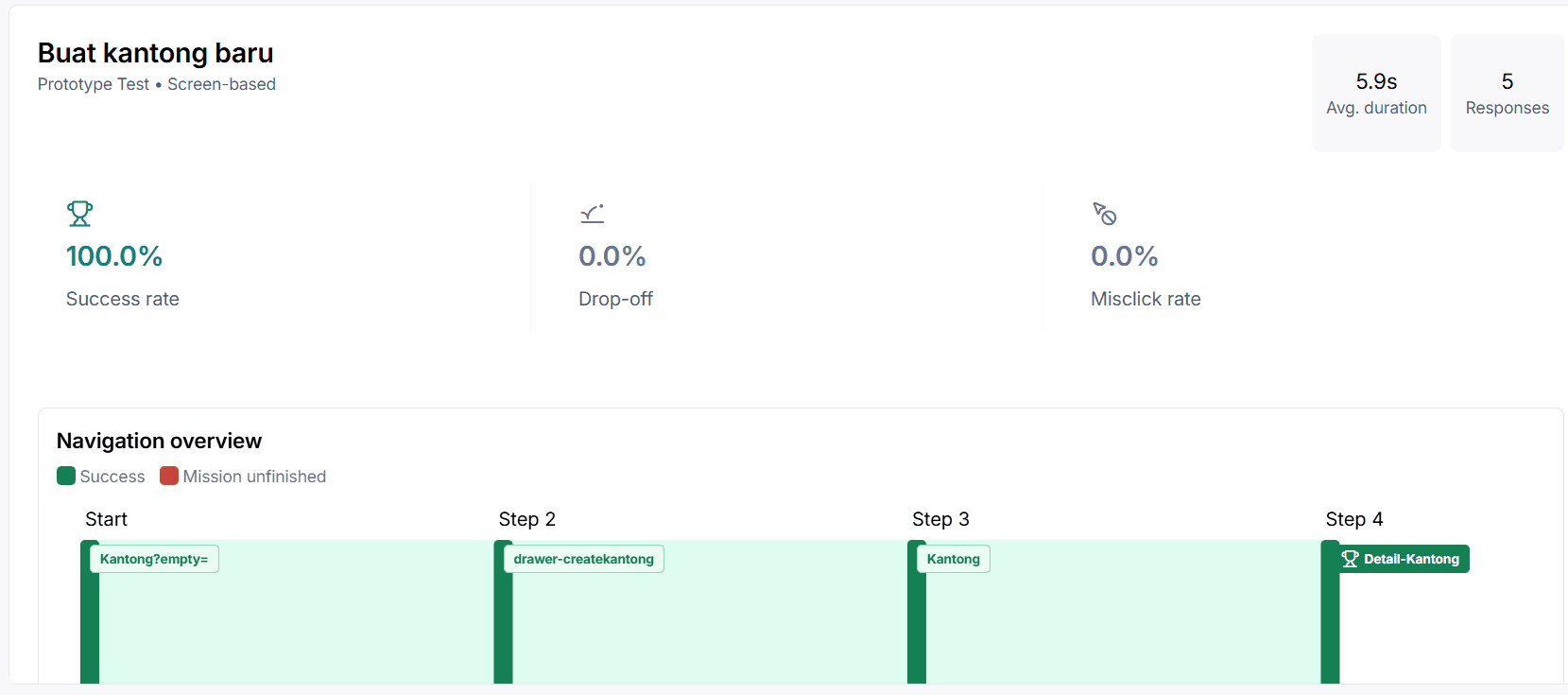
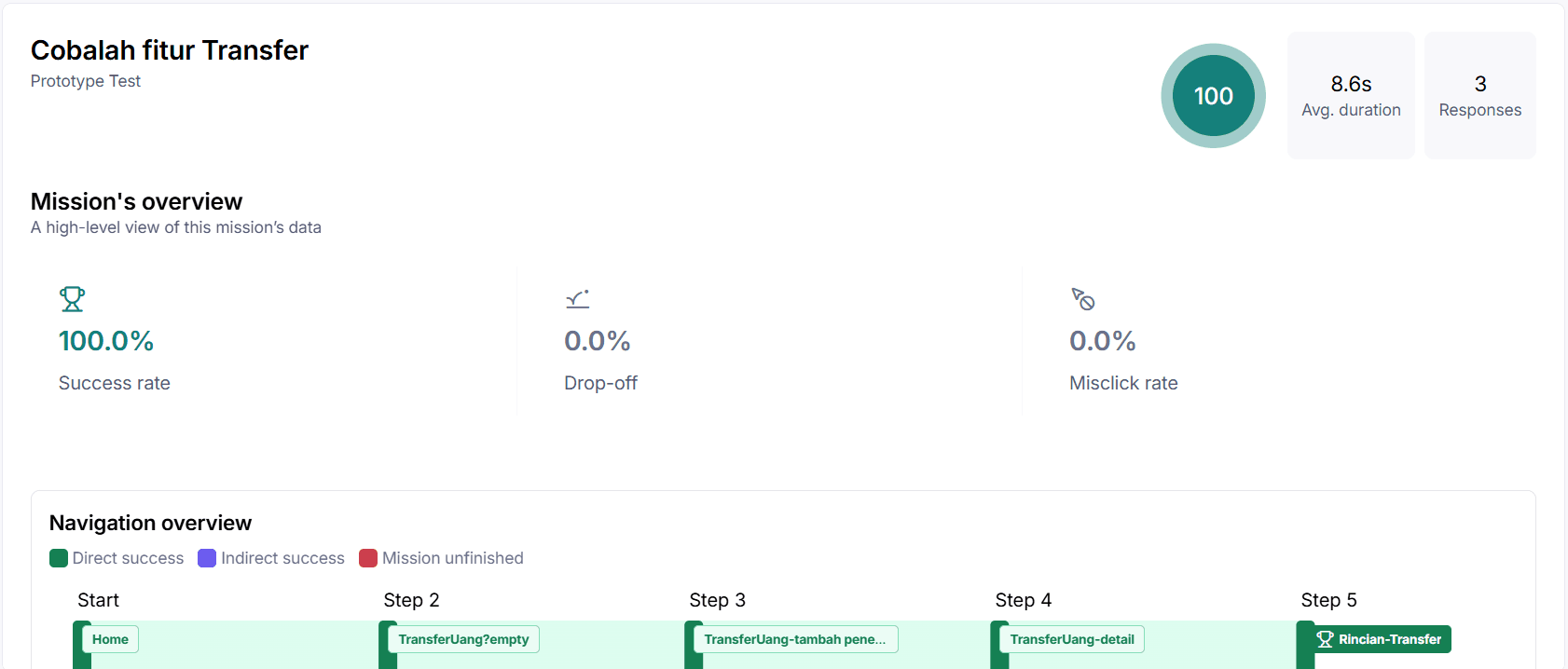
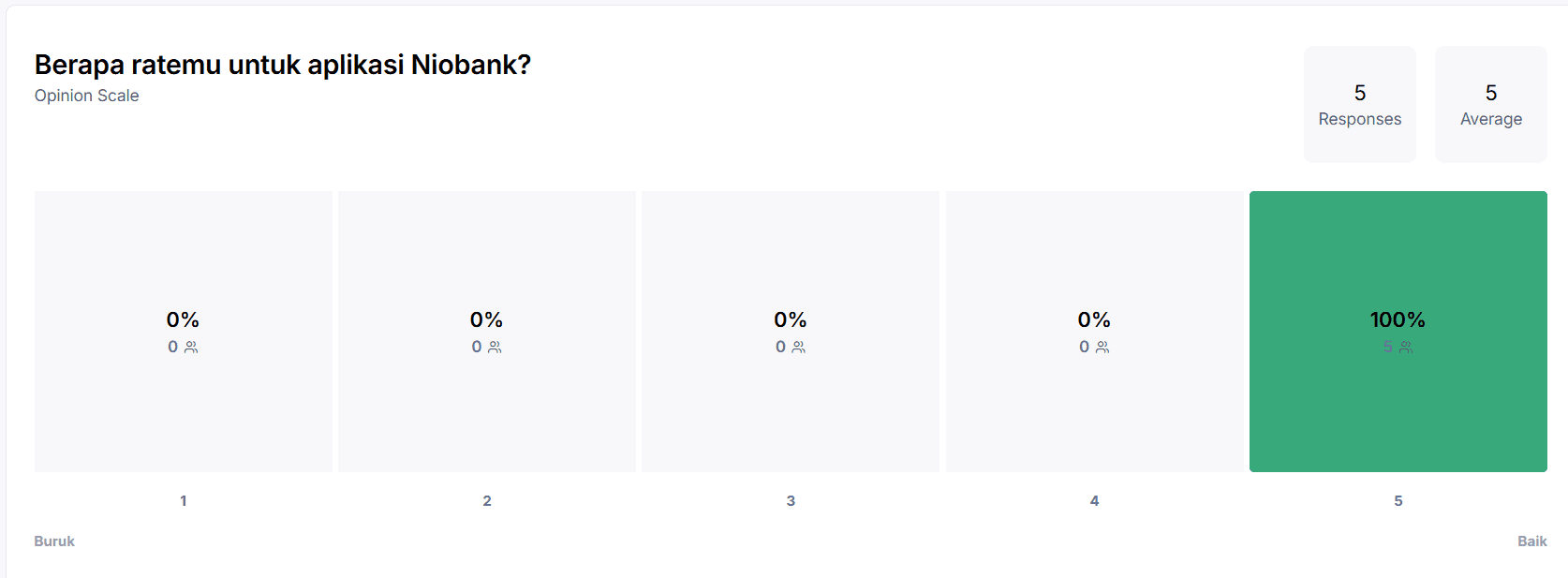
- Achieved 85–90% task success rate during Maze usability testing for key flows such as money transfer, pocket creation, and AI financial guidance
- Reduced average task completion steps by ~30% compared to initial wireframes through IA and flow refinement
- <2-minute average setup time for budgeting features
- High first-time feature comprehension for AI Advisor
Challenges
Design Challenges
The main challenge of this project was designing a digital banking experience that simplifies complex financial behaviors while maintaining user trust and autonomy. Niobank needed to translate abstract concepts such as budgeting, AI-driven financial guidance, and sustainability into intuitive interactions without overwhelming users. At the same time, the product had to embed green initiatives seamlessly into core banking flows ensuring sustainability felt like a natural extension of daily financial activities rather than an added burden while conveying credibility and security within the constraints of a conceptual, competition-based product.
Problem Illustration
Problem Issue
Many digital banking applications focus heavily on transactions, yet fail to support users in developing healthy financial habits. Users particularly young professionals often struggle with budgeting, saving consistency, and long-term financial planning due to complex interfaces, fragmented features, and limited financial guidance. Additionally, sustainability initiatives in banking are commonly presented as optional or disconnected features, resulting in low engagement and minimal behavioral impact. This creates a gap where users manage money digitally, but without clarity, motivation, or meaningful alignment with sustainable values.
Lack of Financial Awareness
Users struggle to understand their financial health, cash flow, and spending patterns, making it difficult to plan or make informed financial decisions.
Inconsistent Saving Behavior
Many users want to save but fail to do so consistently due to the absence of structured systems and automation in daily financial activities.
Overwhelming Financial Features
Existing digital banking apps often present complex financial tools without proper guidance, causing users to feel anxious or disengaged rather than empowered.
Low Engagement with Sustainability Initiatives
Green banking features are commonly treated as optional add-ons, resulting in low adoption and minimal real behavioral impact.
How I solve the problem
Niobank was designed as a smart digital banking experience that combines AI-powered financial guidance with intuitive budgeting and sustainability-driven interactions. The solution introduces an AI Financial Advisor to help users understand their financial health, plan expenses, and automate saving decisions without removing user control. Through features like Smart Pockets and integrated Green Action rewards, sustainability is embedded directly into everyday financial activities rather than treated as a separate initiative. This approach enables users to build better financial habits while contributing to environmental impact through frictionless, behavior-driven design.
AI Financial Advisor
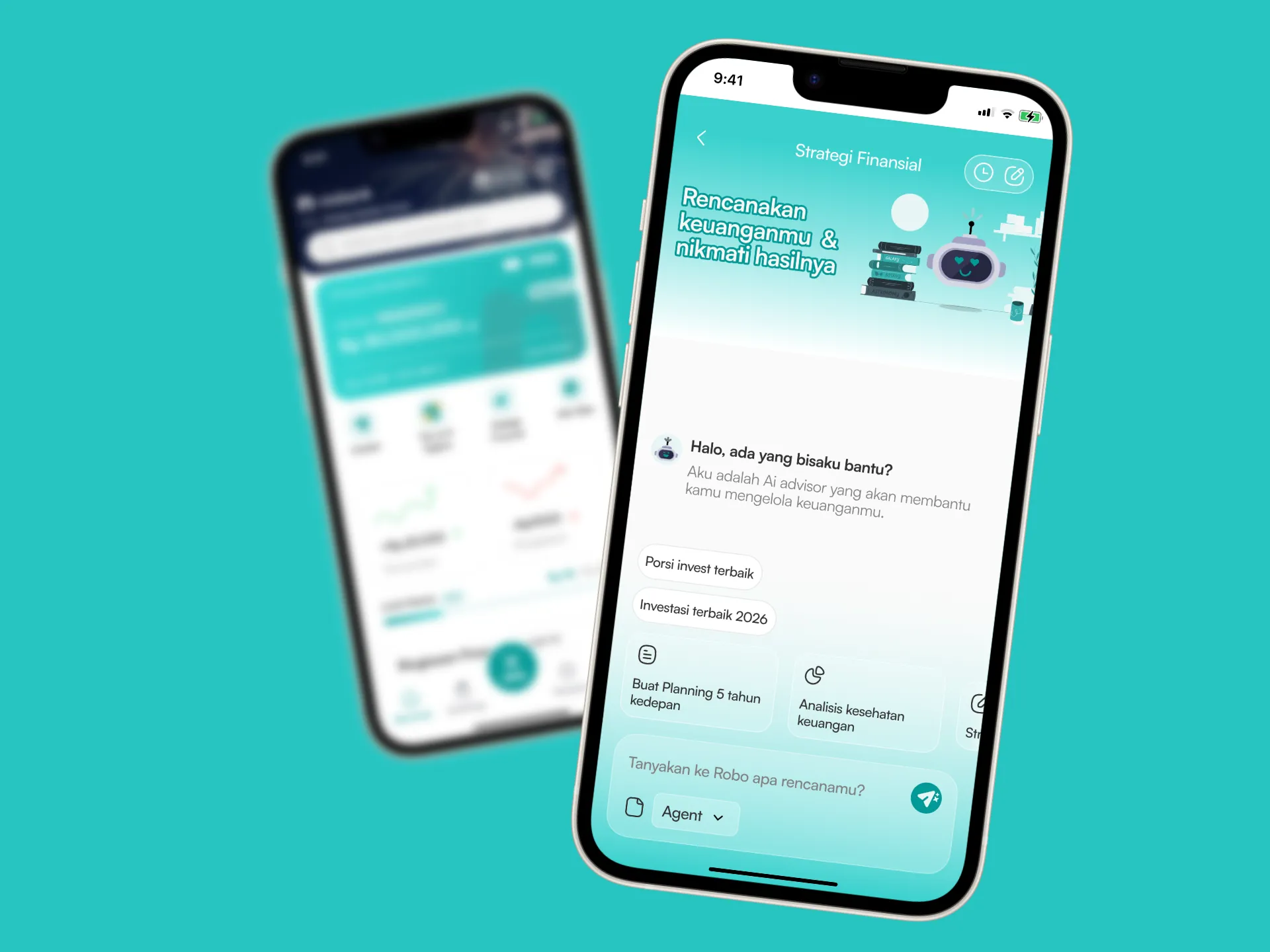
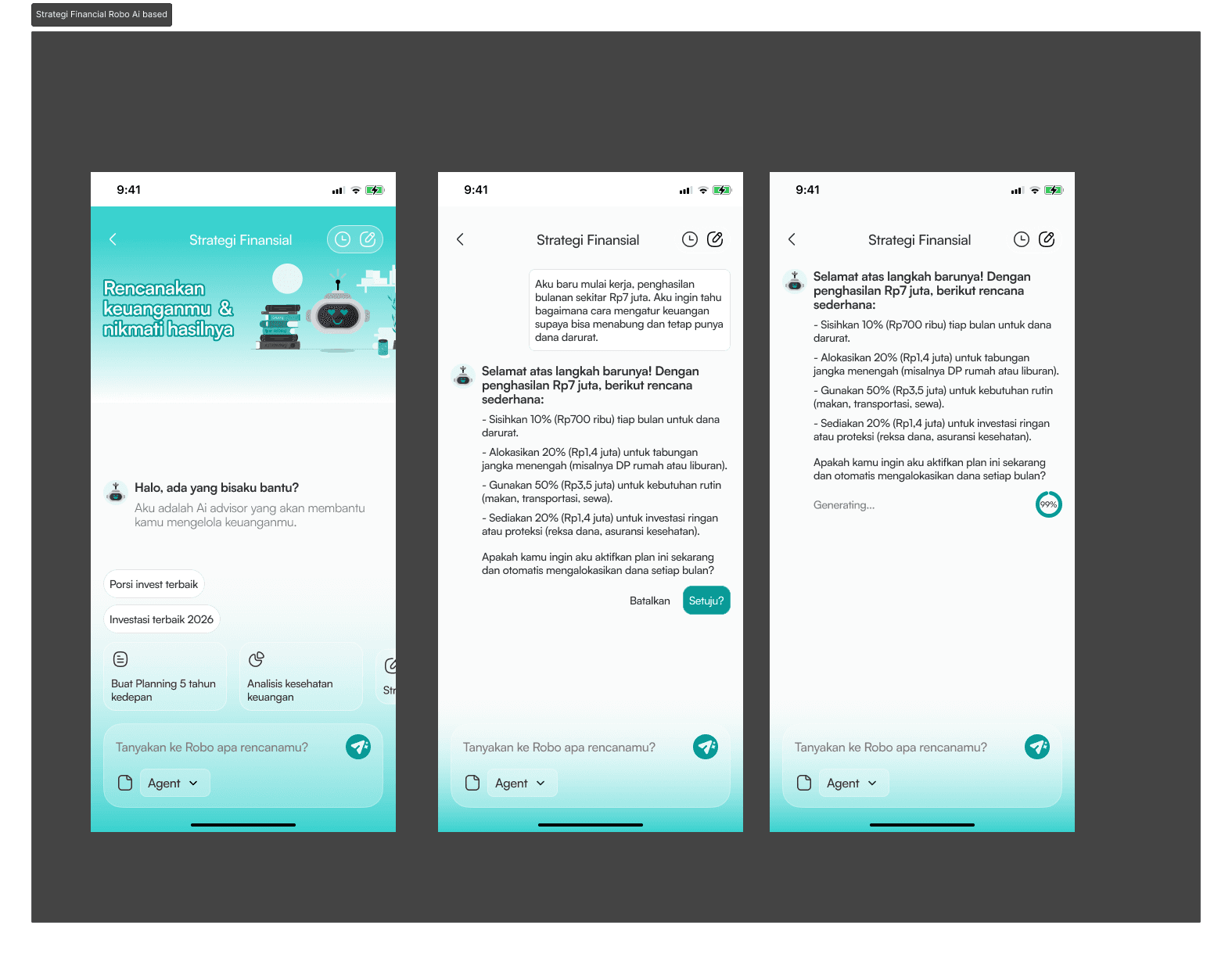
An AI-powered assistant that helps users analyze financial health, plan budgets, and receive actionable insights while maintaining transparency and user control.
Smart Pockets (Goal-Based Budgeting)
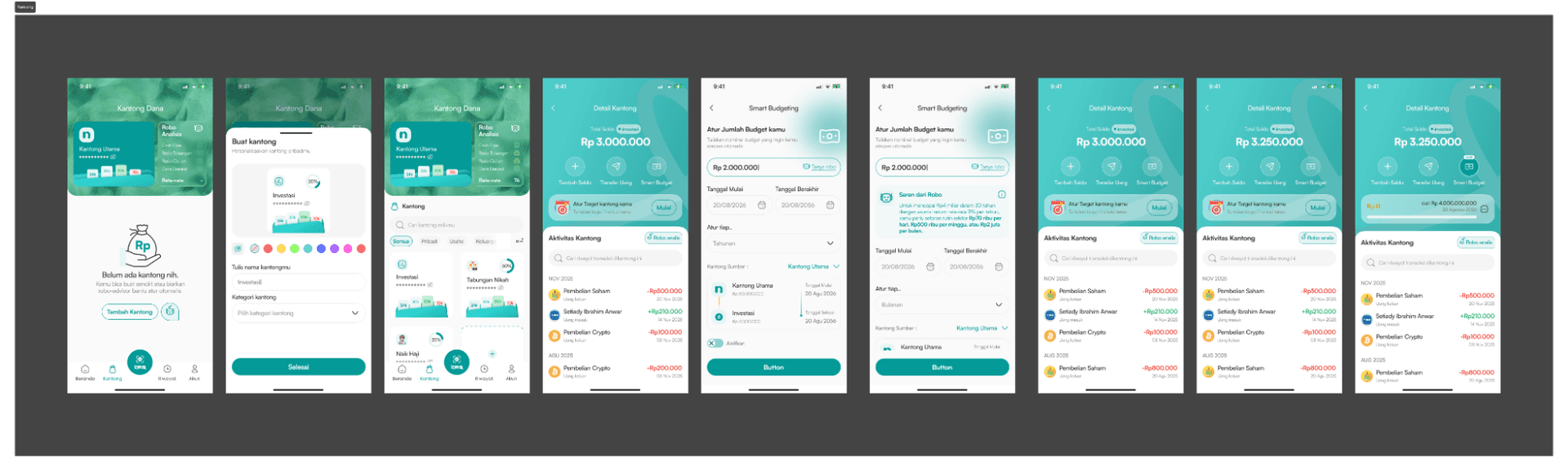
A structured budgeting system that allows users to create saving goals, automate allocations, and manage expenses with minimal manual effort.
Automated Financial Actions
Smart automation enables users to apply financial strategies—such as auto-saving and spending limits without continuous decision-making or monitoring.
Integrated Green Action & Rewards
Sustainability is embedded into everyday banking activities through automated contributions and reward mechanisms, encouraging long-term eco-friendly behavior without added friction.
Solution Illustration
Process
Project Process (User-Centered Design Framework)
Specify the Context of Use
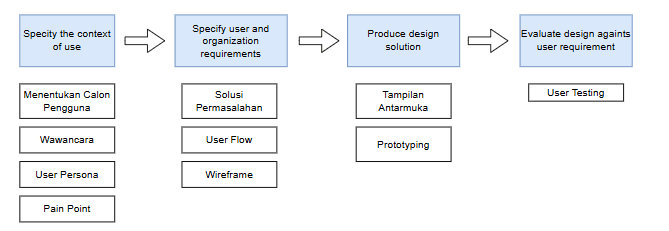
This step focused on understanding the context in which Niobank would be used, including user characteristics, usage scenarios, and environmental constraints. The goal was to clearly define who the users are, what problems they face in managing finances, and under what conditions the product would be used.
User Context Identification
I identified the primary target users as young adults and professionals who are digitally literate, earn a regular income, and actively use mobile banking applications. Although comfortable with digital tools, these users often struggle with financial planning, saving consistency, and long-term decision-making due to a lack of structured guidance.
View Image
Usage Scenario Analysis
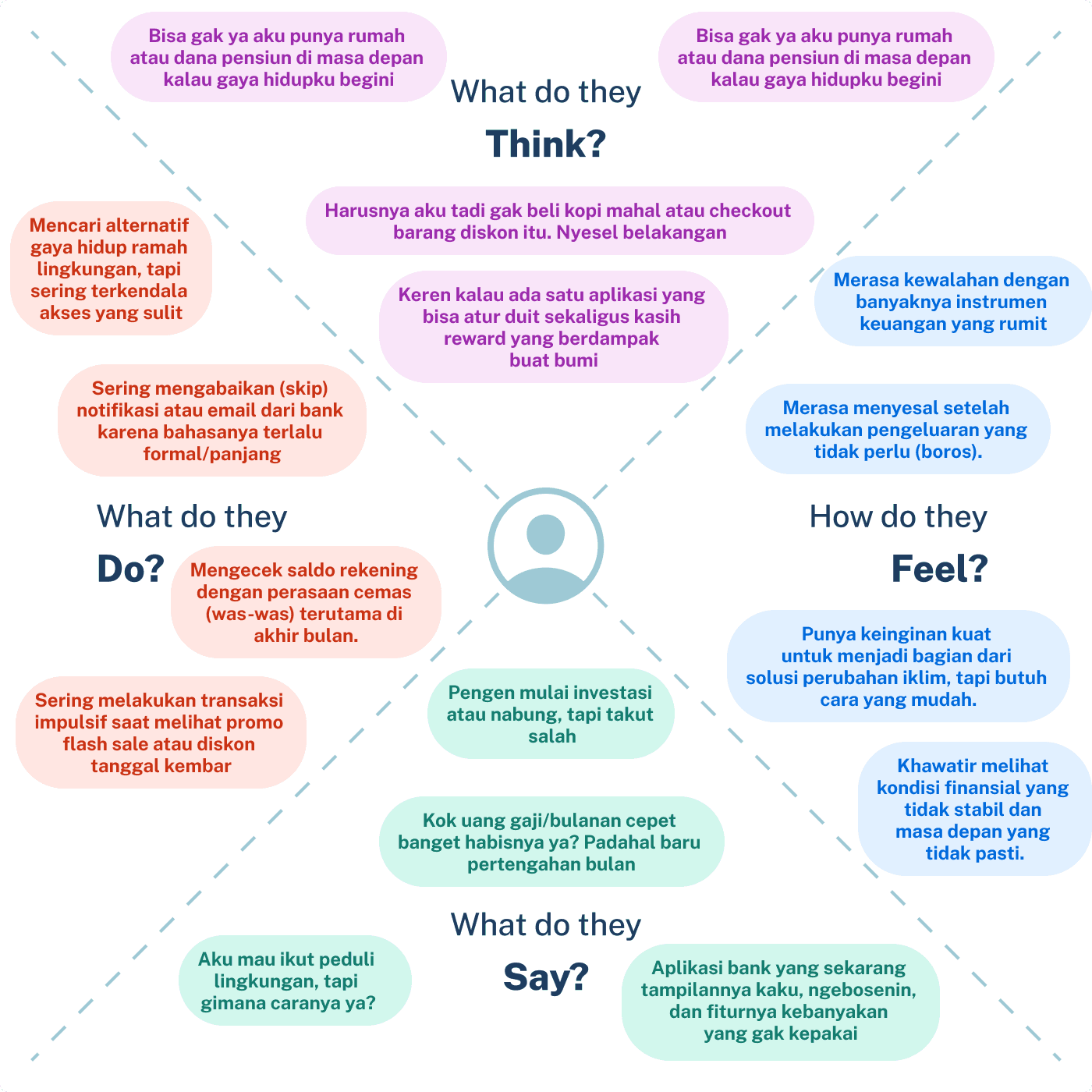
I analyzed everyday financial scenarios such as receiving monthly income, managing daily expenses, setting saving goals, and making spontaneous spending decisions. This helped establish how Niobank should support users not only during transactions, but also during reflective moments when financial decisions are made.
View Image
Specify User & Organizational Requirements
After defining the context of use, this step translated observations and insights into concrete user and system requirements. The focus was to ensure that both user needs and competition objectives were clearly addressed.
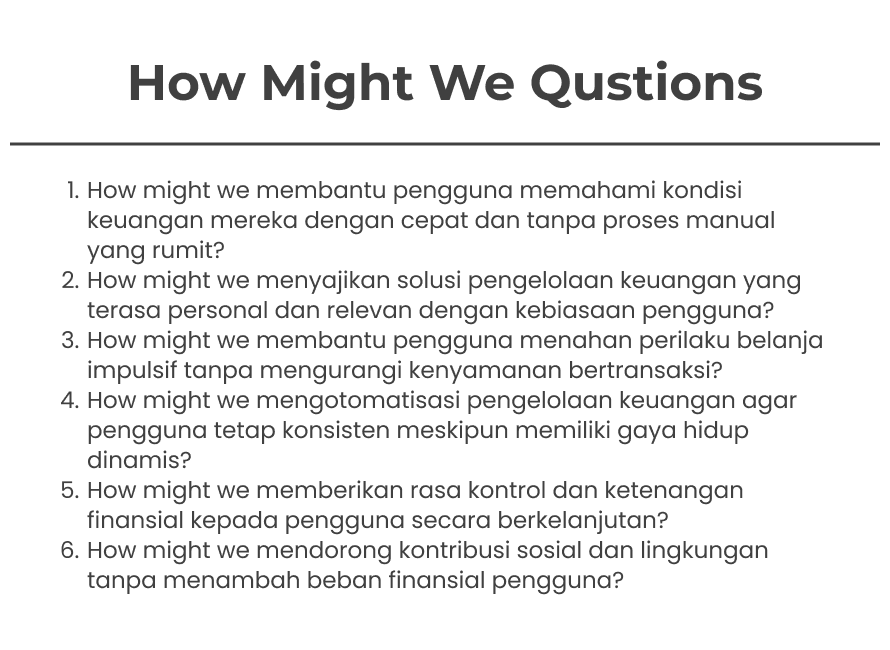
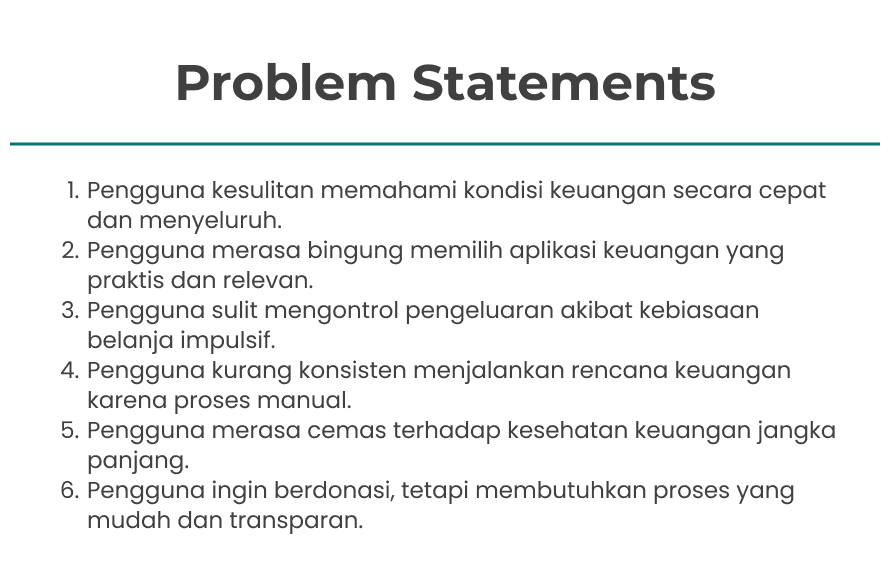
User Requirement Definition
Based on behavioral insights, I defined key user requirements such as the need for simple financial overviews, guidance-driven budgeting, automated saving mechanisms, and transparency in financial recommendations. Users required support without feeling controlled, which shaped how AI assistance was positioned within the product.
View Image
View Image
Functional Requirement Identification
Functional requirements were established to support user needs, including AI-powered financial analysis, goal-based budgeting systems, and automated financial actions. Each function was defined to directly respond to a specific pain point identified during context analysis.
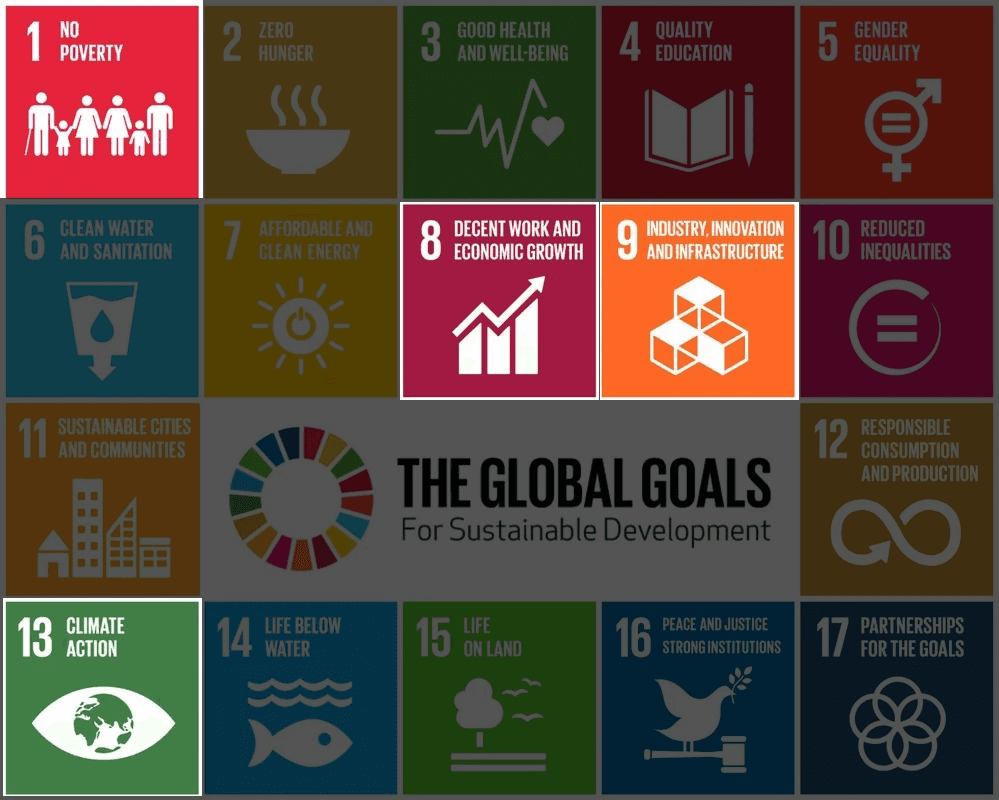
Sustainability & SDG Alignment
Organizational and thematic requirements from the competition brief were incorporated by aligning the product with relevant Sustainable Development Goals. Sustainability requirements emphasized that environmental contributions should be embedded into financial behavior rather than added as separate donation features.
View Image
Produce Design Solutions
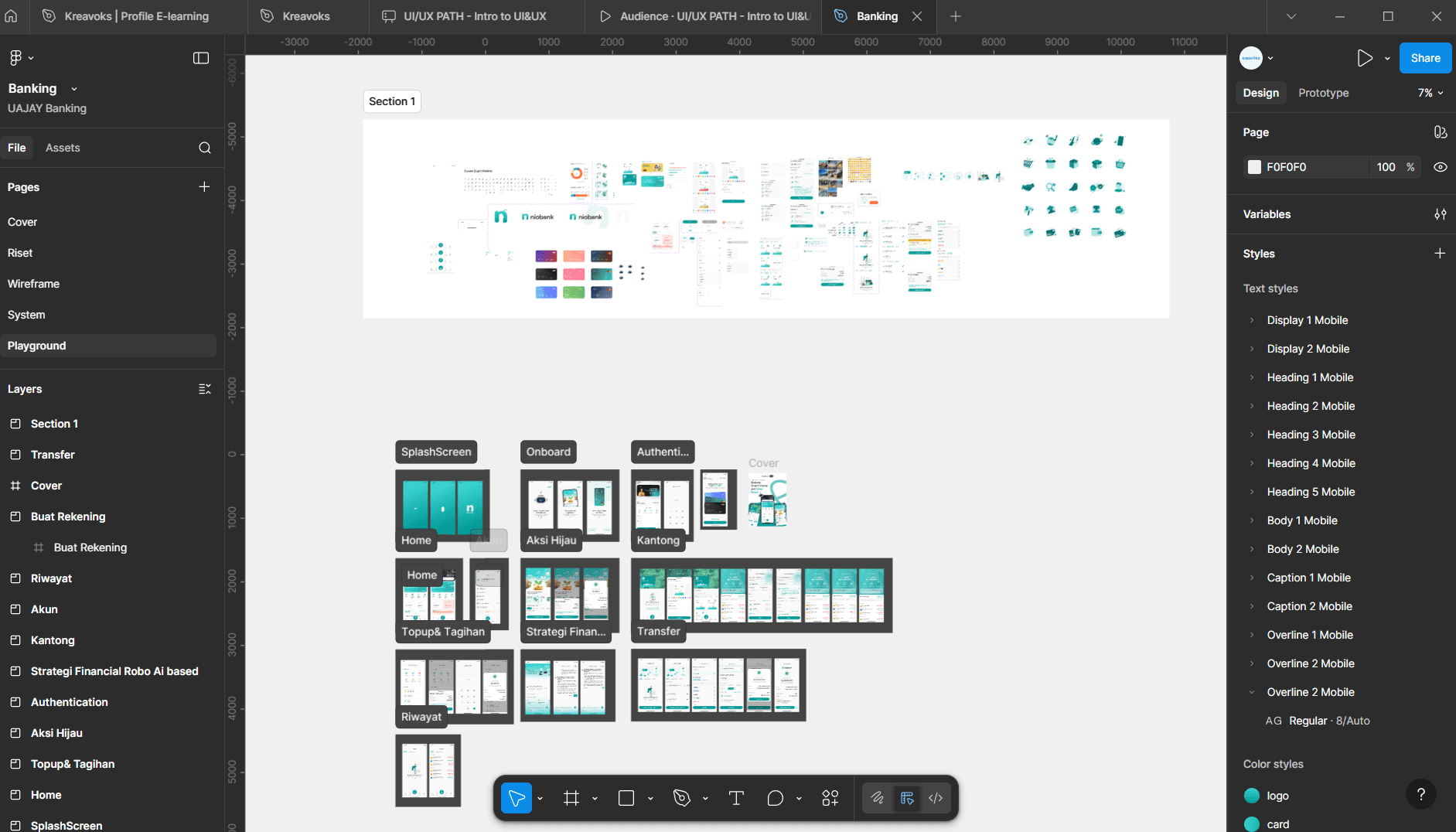
This step translated requirements into tangible design solutions through iterative design and prototyping.
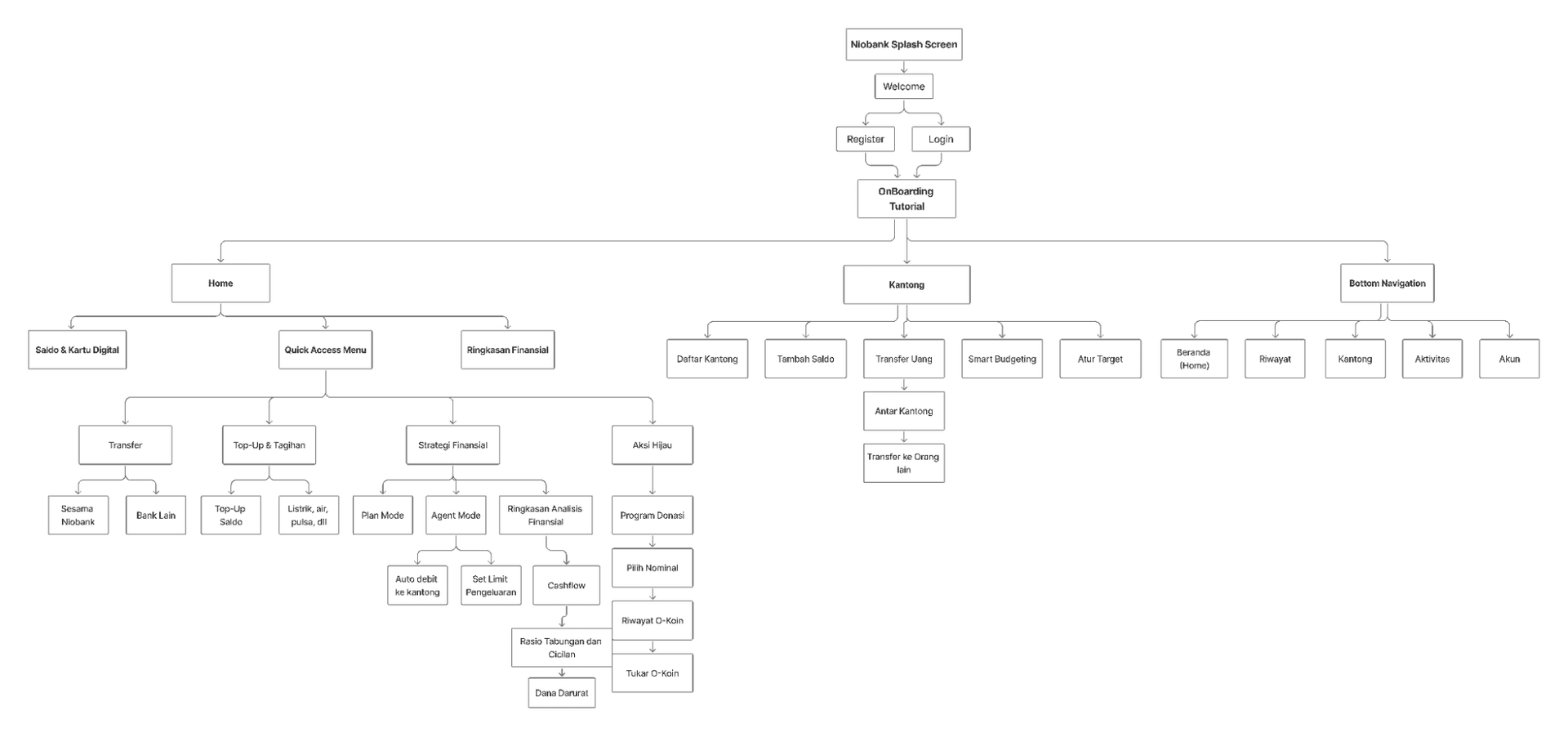
Information Architecture & UX Strategy
I structured the information architecture to prioritize user intent over traditional banking terminology. Features were grouped to reduce cognitive load and allow users to access financial insights, budgeting tools, and sustainability actions intuitively.
View Image
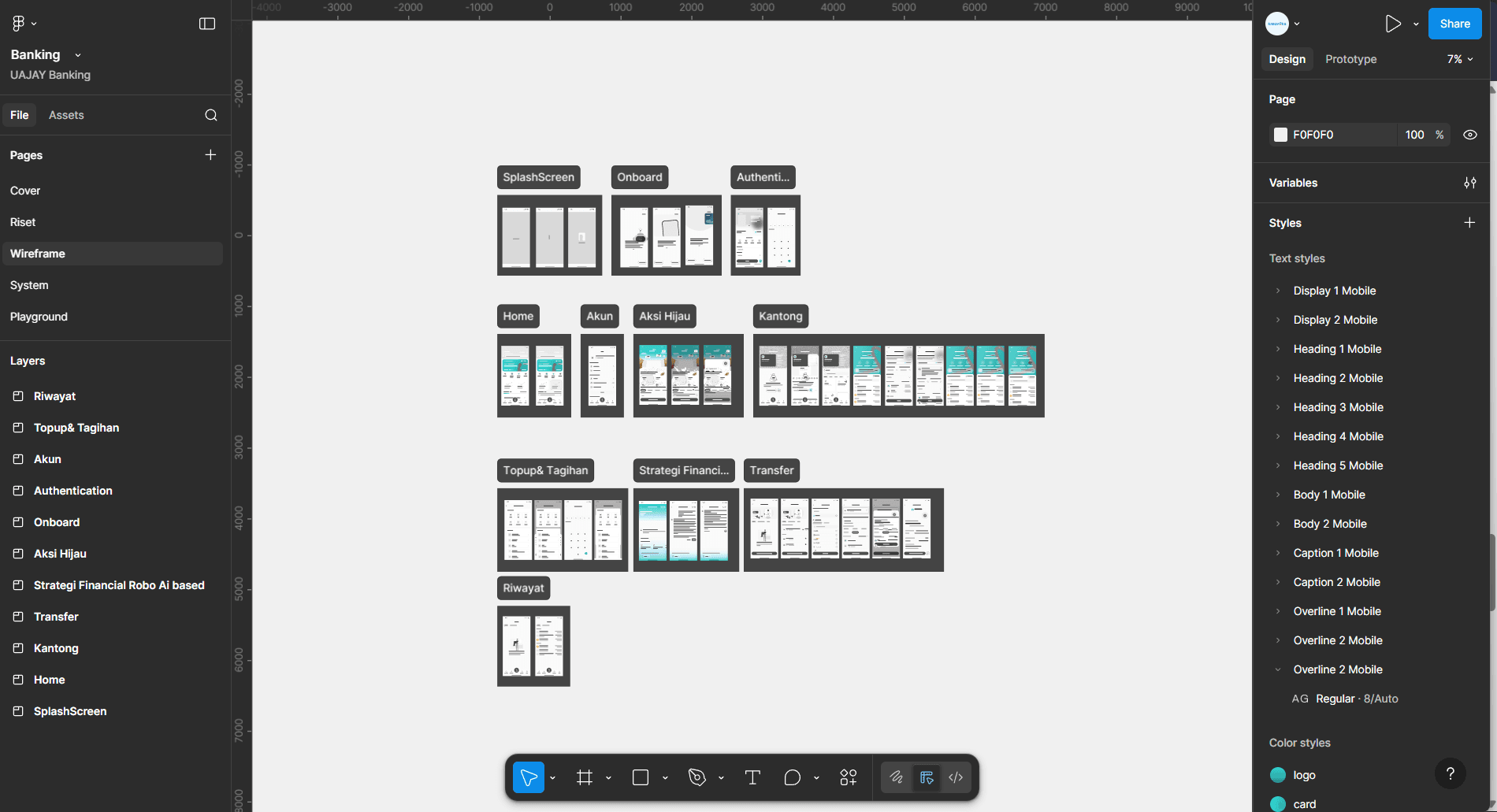
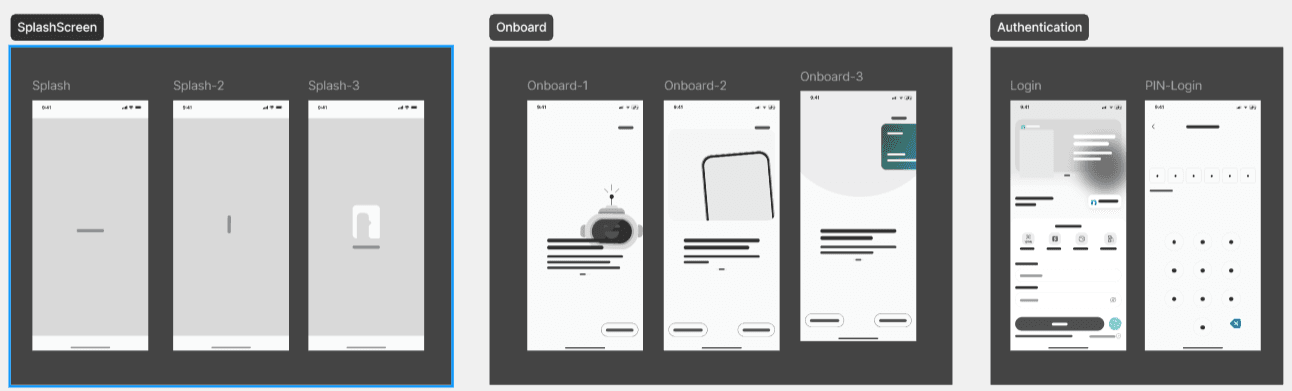
Wireframing & Interaction Design
Low-fidelity wireframes were created to explore layout structures and interaction flows. The focus was on ensuring that complex financial actions—such as planning budgets or consulting the AI advisor could be completed efficiently with minimal steps.
View Image
View Image
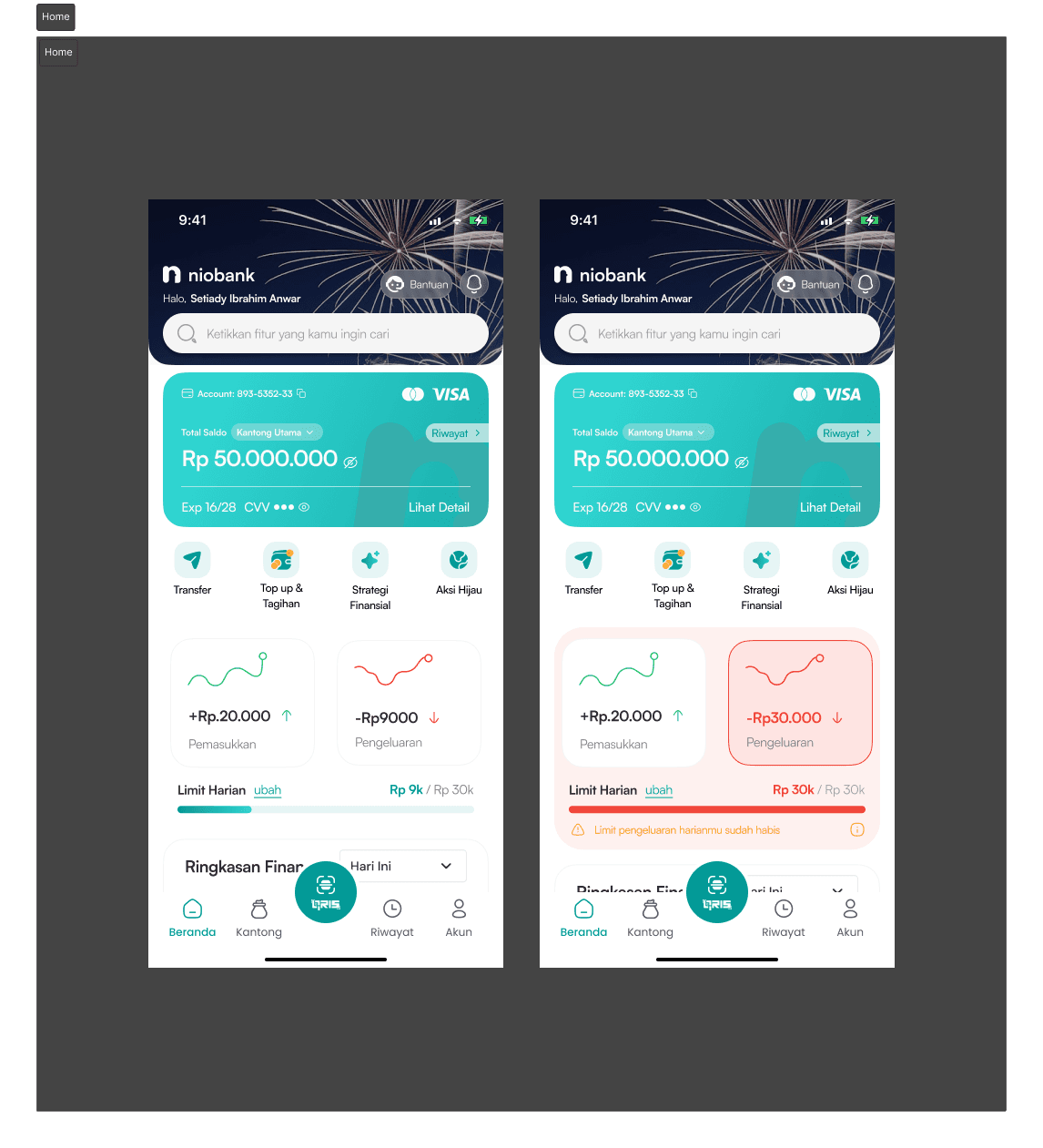
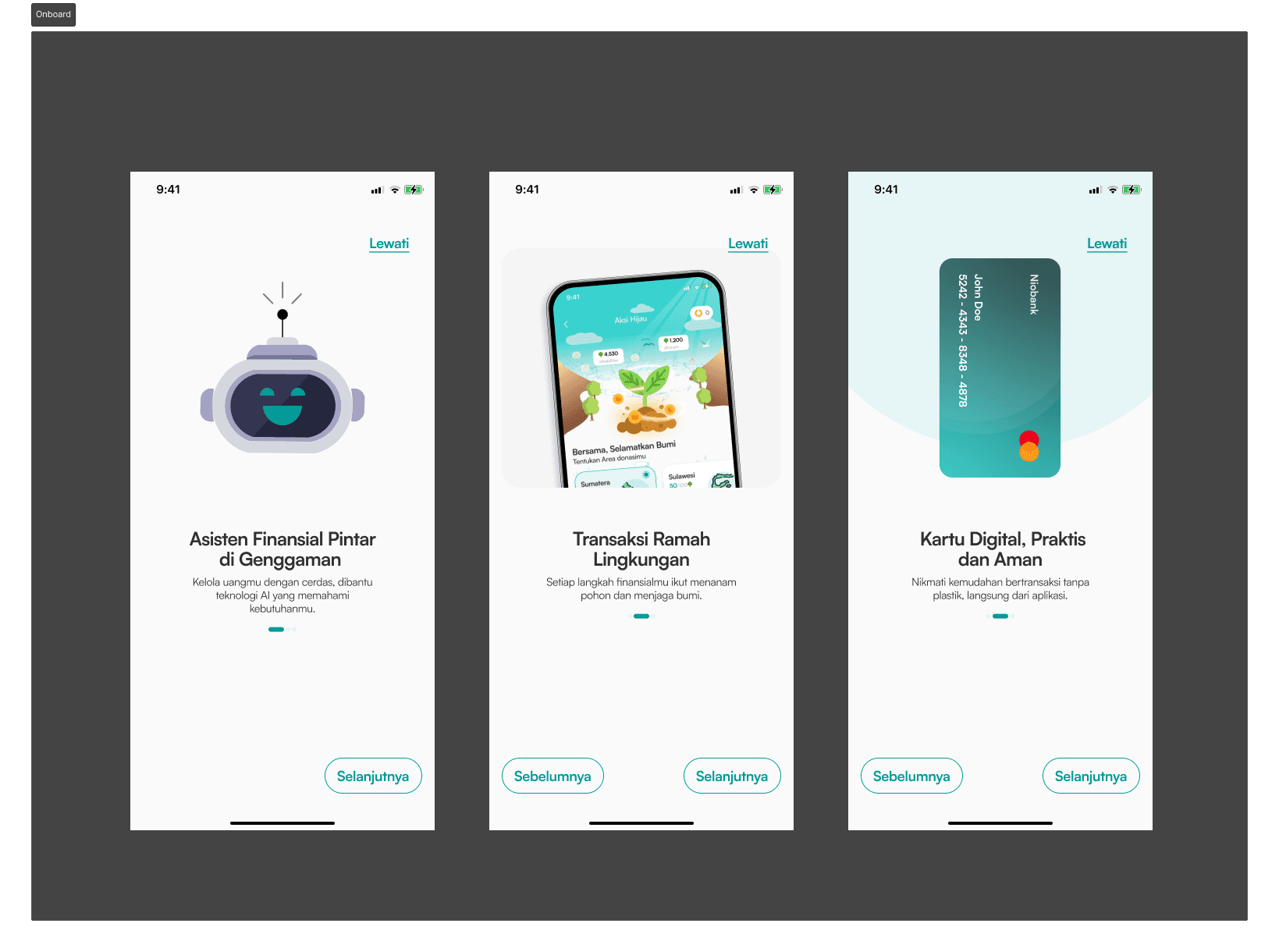
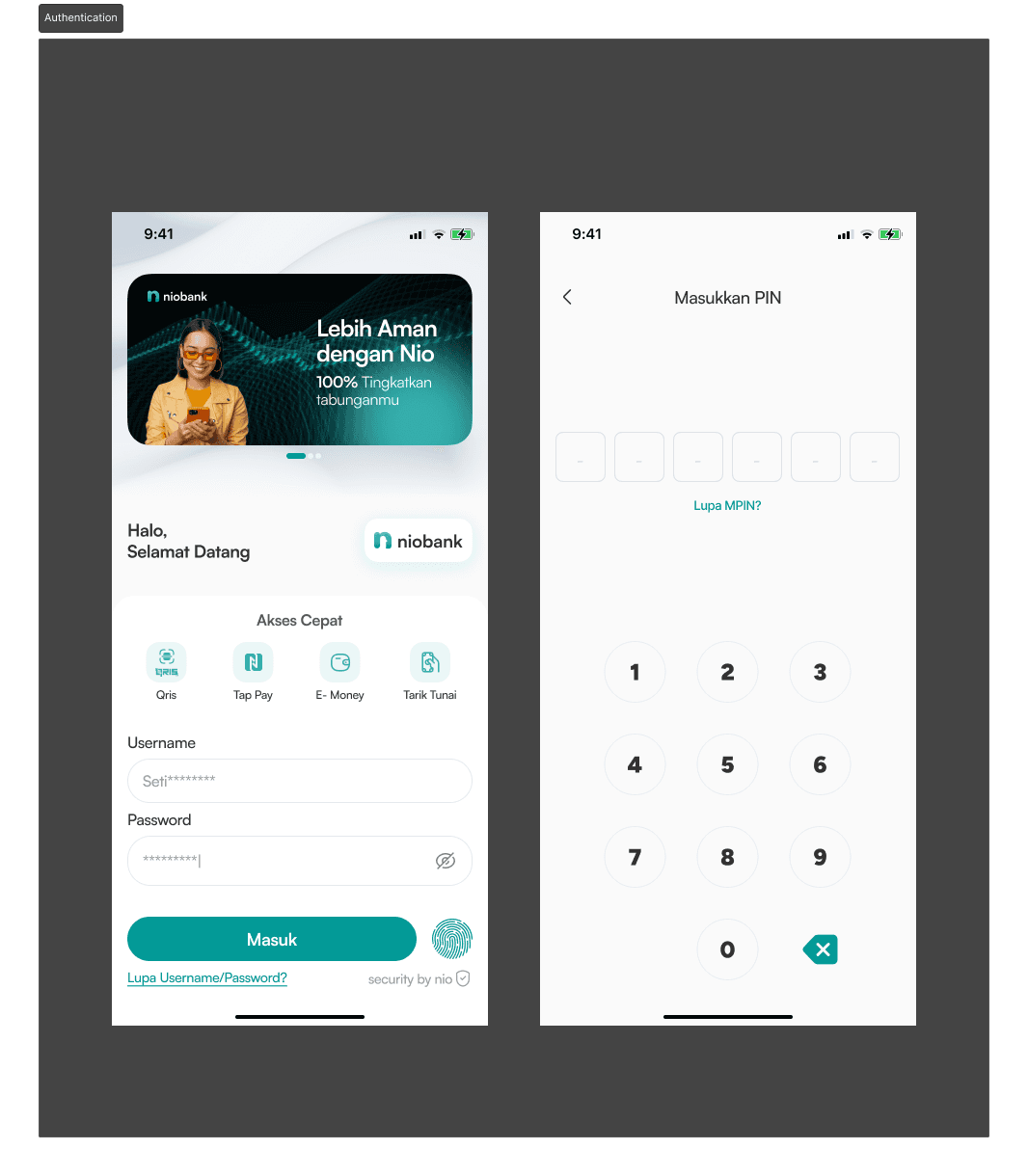
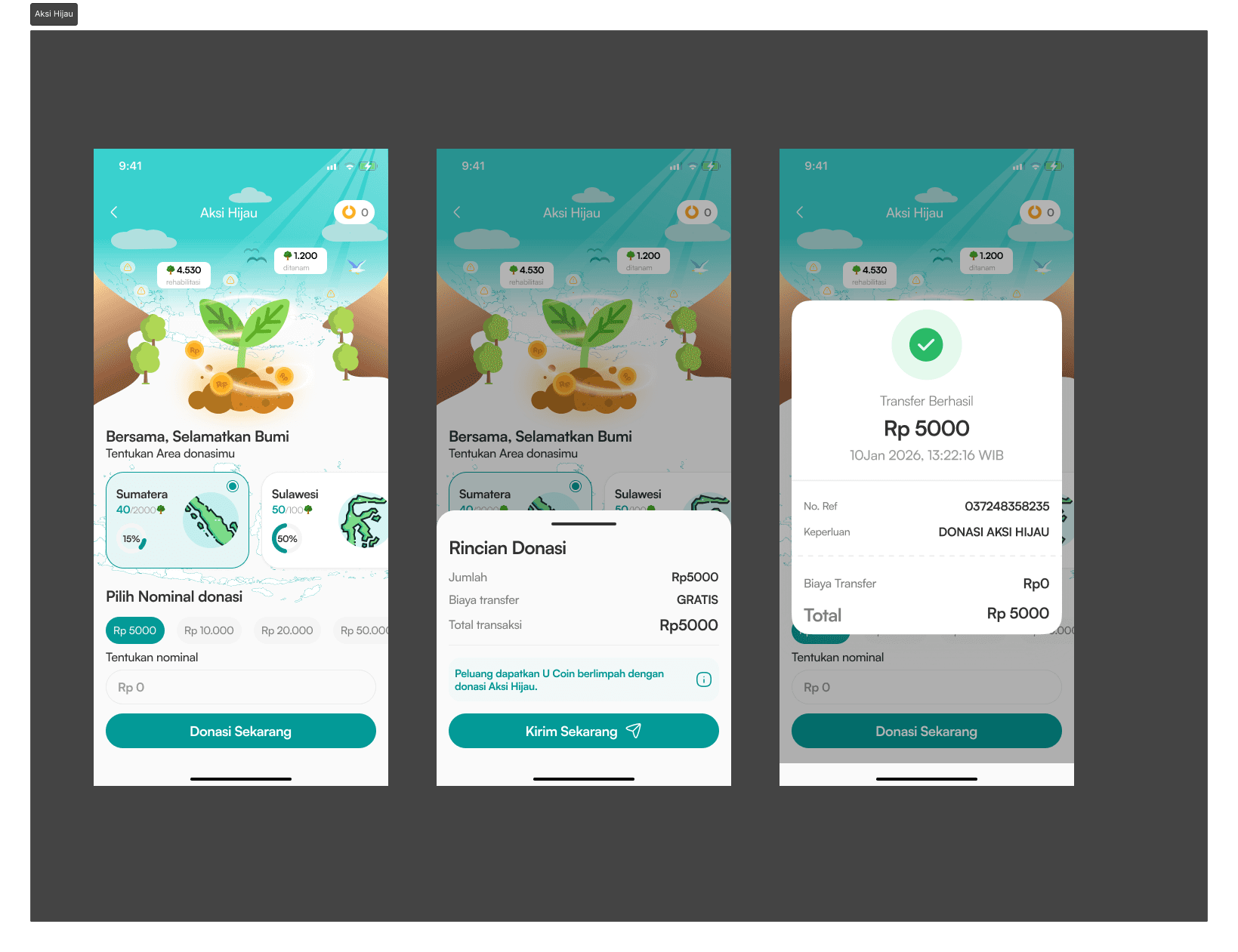
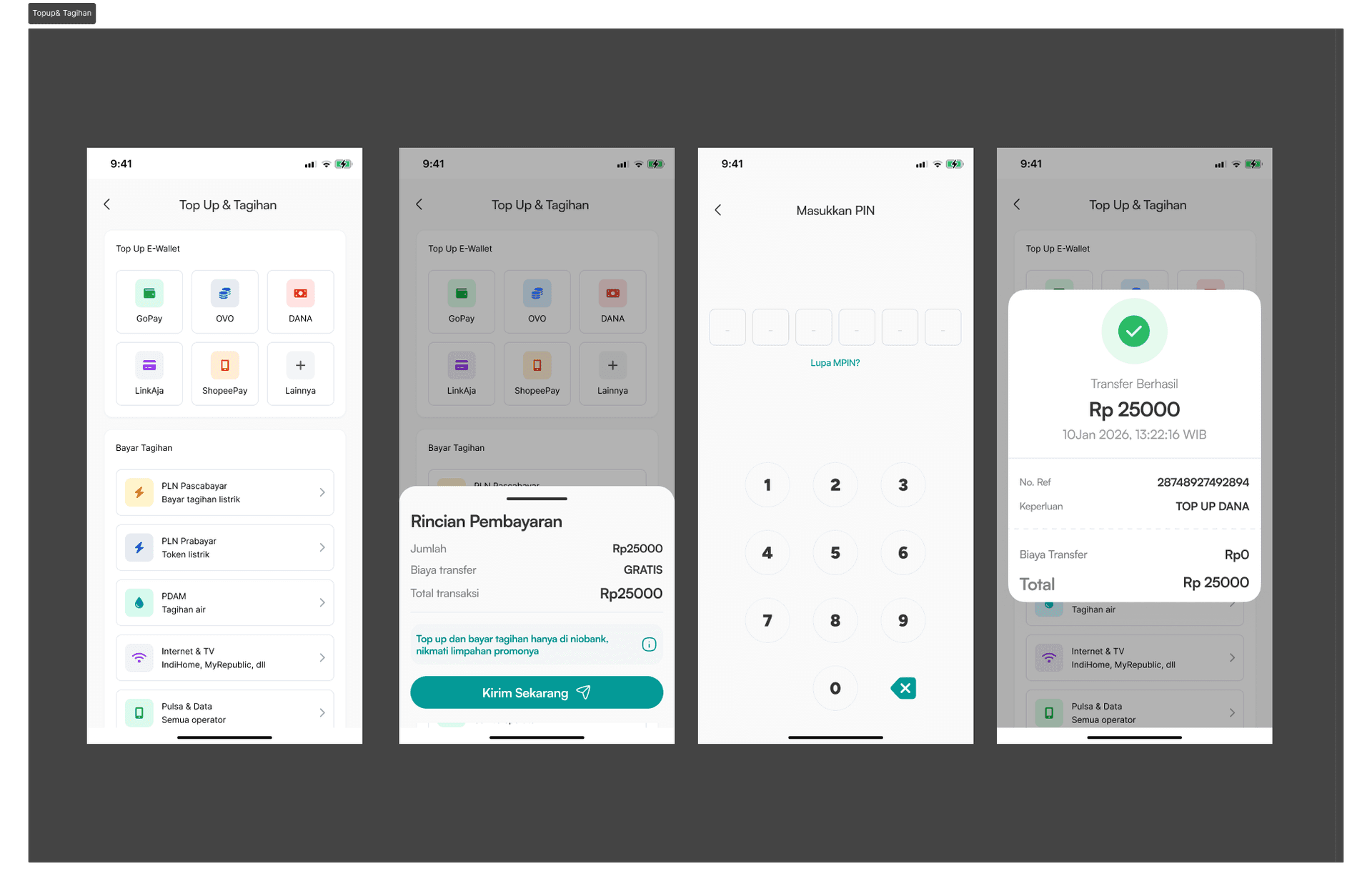
High-Fidelity UI Design
The wireframes were refined into high-fidelity UI designs that emphasized trust, clarity, and accessibility. Visual decisions were carefully balanced to reflect both financial credibility and sustainability values without compromising usability.
View Image
View Image
View Image
View Image
View Image
View Image
View Image
Interactive Prototyping
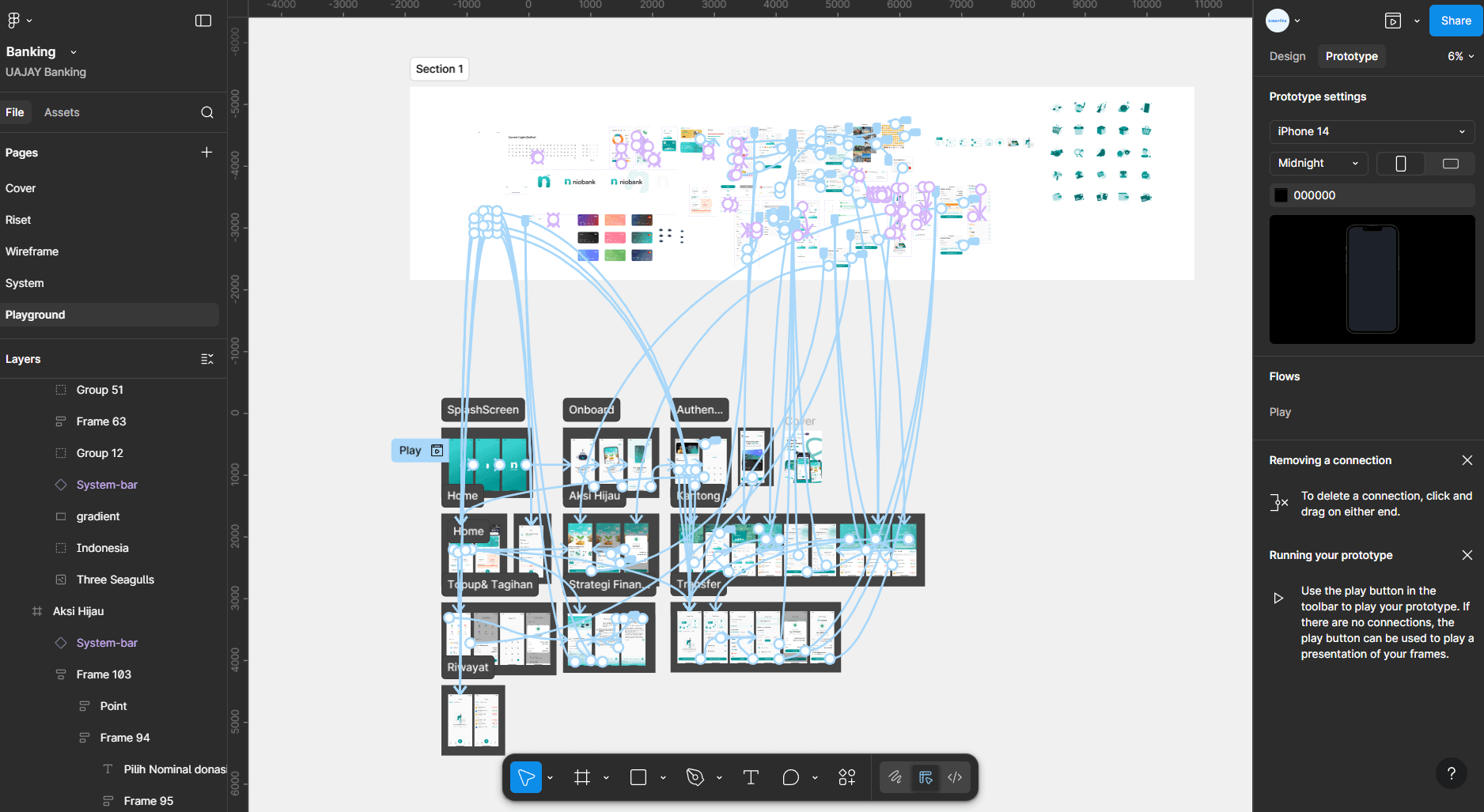
An interactive prototype was developed using Figma to simulate real user interactions. This allowed realistic testing of financial planning, AI guidance, and sustainability-related features before final evaluation.
View Image
Evaluate Design Against User Requirements
The final step focused on validating whether the design met the previously defined user and system requirements.
Usability Testing & Task Evaluation
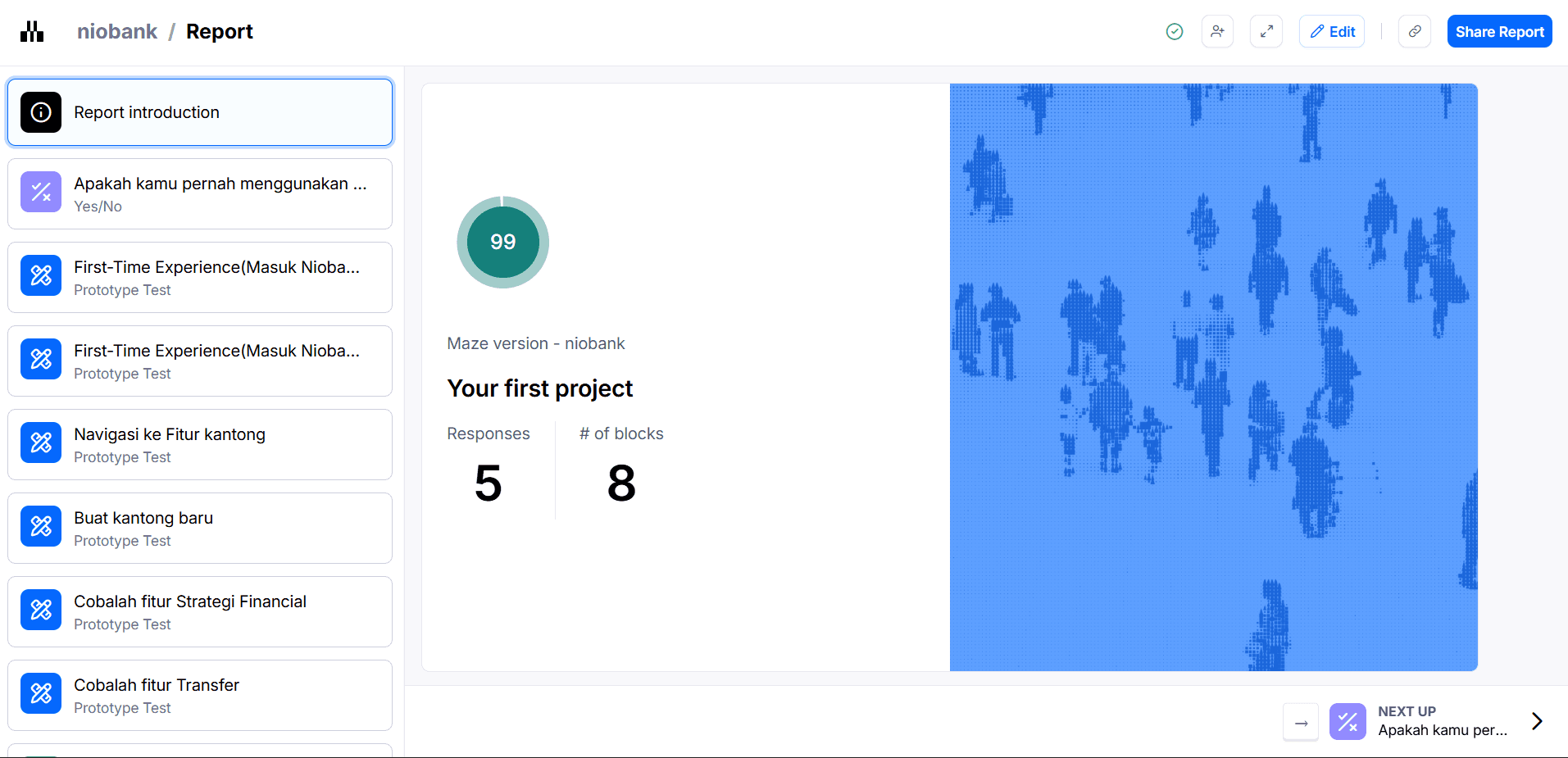
Usability testing was conducted through task-based scenarios such as setting up budgets, interacting with the AI advisor, and engaging with green action features. This evaluation assessed task success, clarity, and efficiency.
View Image
View Image
View Image
View Image
View Image
View Image